


Why Skilled Trades Careers Attract More Workers

The skilled trades industry is struggling to find workers. Many schools no longer offer shop classes, and students are pushed toward college. As a result, fewer young people consider careers in plumbing, HVAC, and electrical work. Meanwhile, businesses in these fields can’t find enough skilled workers to meet demand.

At the same time, many college graduates end up with debt and no clear career path. Some discover too late that they prefer hands-on work. Others enter fields with fewer job opportunities, while skilled trades remain in high demand. These careers offer good pay, job security, and room for growth—without the burden of student loans.

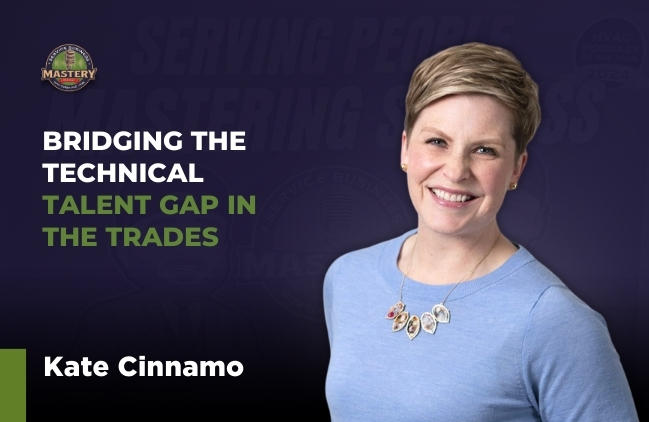
Kate Cinnamo, Executive Director of Explore The Trades, is working to change this. Her nonprofit helps students learn about trade careers by partnering with schools and businesses. Explore the Trades provides resources to over 2,000 public school districts, helping more young people see the value of these careers.

In this article, we will explore how contractors can help fill the skilled labor gap. We will explain why more students choose trade careers, how businesses can attract and train young workers, and why changing outdated views on the trades is key to building a stronger workforce.

Our Sponsors:

Our Affiliates:

How Contractors Can Help Solve the Skilled Trades Careers Shortage

The skilled trades industry is facing a worker shortage. Many schools have removed shop classes, and students are pushed toward college.

This has left the plumbing, HVAC, and electrical industries struggling to find new workers. But contractors can help change this.

Why Contractors Should Get Involved

Contractors have the skills, tools, and knowledge to introduce young people to trade careers. By working with schools, they can help students learn about hands-on jobs and career options. This benefits both the students and the industry.

How Contractors Can Make a Difference

  • Work with Schools – Partner with teachers and counselors to introduce students to trade careers.
  • Provide Hands-On Training – Offer internships, apprenticeships, or job shadowing to give students real experience.
  • Donate Equipment – Help schools create training spaces with the right tools.
  • Speak at Career Events – Share real-life success stories to inspire students.
  • Support Trade Programs – Help fund high school and community college trade classes.

College vs. Skilled Trade Careers

For years, students have been told they must go to college. Many end up with debt and degrees they don’t use.

Meanwhile, skilled trades offer good pay, job security, and career growth without expensive tuition. Some students don’t enjoy sitting in a classroom all day. Trade jobs give them a different path.

A Win-Win for Everyone

When contractors invest in young workers, they help their businesses and the entire industry. Instead of just talking about the labor shortage, they can take action. Working with schools creates new job opportunities and builds a stronger future for the trades.

Are More Students Choosing Skilled Trades Careers Over College?

For a long time, most schools pushed students toward college. Many went because they felt they had no other choice. But things are changing. More young people are now looking at skilled trades as a real career option.

Why Some Students Are Choosing Trades Over College

Several reasons are making students think twice about college:

  • High Tuition Costs – College is expensive, and many don’t want to start life in debt.
  • Job Market Uncertainty – The pandemic showed how quickly some jobs can disappear.
  • Hands-On Learning – Some students don’t enjoy classroom learning and prefer working with their hands.
  • Strong Career Demand – Trades like plumbing, HVAC, and electrical work always need workers.

Schools Are Bringing Back Trade Programs

Many schools now offer Career and Technical Education (CTE) programs. These programs let students learn real skills before they graduate. Some even earn certifications that help them start working right away.

In 2023, more than 12 million students in the U.S. joined trade-related programs. The government is also putting more money into these programs to help students get started in trades.

The Pandemic’s Impact on Skilled Trades Careers

The pandemic made many young people rethink their future. Some saw their parents lose jobs while trade workers stayed employed.

At the same time, college kept getting more expensive. Many decided they didn’t want to take on huge debt for a degree they might not use.

Experience Matters More Than Degrees

Many employers now care more about skills and experience than college degrees. Students can learn real-world skills through hands-on training, online courses, and apprenticeships.

As more students seek better career options, the skilled trades industry has a great chance to welcome new talent.

Why Do People See Skilled Trades Careers Differently from Other Careers?

Many people grow up hearing that success means going to college. Careers like doctors, lawyers, and engineers are praised, while skilled trades are often overlooked. This thinking has led many to believe trade is a last resort. But that’s far from the truth.

The Satisfaction of Hands-On Work

Trade jobs can be tough, but they also bring real satisfaction. Many workers take pride in fixing problems and helping people directly. When an HVAC technician repairs a broken system or a plumber fixes a major leak, the impact is immediate.

Unlike office jobs, where progress can feel slow, tradespeople see the results of their work every day. Many workers say that knowing they made a real difference gives them a strong sense of purpose.

Why Society Undervalues Trades

For decades, schools, media, and parents have pushed the idea that college is the only path to success. Hollywood and TV shows highlight careers in medicine, law, and business but rarely feature skilled trades. 

This has created a false idea that trades are less valuable. Trades offer strong job security, high earnings, and plenty of career growth. A person can start as a technician and later move into management, training, or even owning a business.

How Contractors Can Help Change Perceptions

Contractors and trade professionals can shift how people see the industry by:

  • Talking to Students – Share real stories about trade careers and the opportunities they offer.
  • Offering Hands-On Experience – Internships and apprenticeships help young people see the benefits firsthand.
  • Supporting Schools – Work with teachers to bring trade education back into classrooms.

Skilled trades are not just an alternative to college—they are essential careers that keep the world running. The more people understand this, the more young workers will consider these valuable jobs.

How Can Contractors Bring More Young People into the Skilled Trades Careers?

Many companies struggle to find young workers for the trades. Some businesses hire experienced workers, even when they don’t fit well.

Others invest in training new talent and see great results. The key is to hire people with the right attitude and give them the support they need.

Training Young Workers Can Lead to Success

Some companies hesitate to hire young workers because they lack experience. But experience isn’t everything. Many successful companies have hired young workers, trained them properly, and helped them grow.

For example, one company hired two young workers, ages 19 and 20. Instead of expecting them to learn independently, they provided hands-on training. With the right support, both quickly became skilled and confident in their work.

Good Customer Service Matters as Much as Skill

Technical skills can be taught, but personality and customer service skills make a big difference. One company hired a 42-year-old former theater director with no trade experience.

He wasn’t a handyman but knew how to talk to people. Customers loved him. Once he learned the technical side, he became one of the company’s top employees.

How Contractors Can Attract and Train Young Workers

  • Offer Training Programs – Hands-on learning, apprenticeships, and online courses help new workers gain skills.
  • Hire for Attitude, Train for Skill – A great attitude matters more than years of experience.
  • Show Career Growth – Young workers must see a path to leadership and success.

Schools and Contractors Should Work Together

Many schools are bringing back trade programs, but they need industry support. Contractors can help by speaking at schools, offering training materials, or mentoring students.

By working together, contractors and schools can create real opportunities for young workers and secure the future of the trades.

Conclusion

Skilled trades careers offer good pay, job security, and strong career growth. Yet, for years, many students were told college was the only path to success. That thinking is changing. More young people now see trade careers as a real and valuable option.

Schools are bringing back trade programs but can’t do it alone. Contractors must step up by offering training, mentoring, and job opportunities. Hiring workers with the right attitude and providing hands-on experience can build a skilled and reliable workforce.

The demand for trade workers keeps growing. Businesses that invest in young talent today will secure their future. Supporting schools, sharing knowledge, and changing old views about the trades will bring more skilled workers into the industry.

Trades are not a second-choice career they are essential jobs that keep everything running. By guiding and training the next generation, contractors ensure a strong and successful future for the industry.


FAQs

What are the most in-demand skilled trades careers today?

The most in-demand skilled trades careers include HVAC technicians, electricians, plumbers, welders, and automotive technicians. These fields face worker shortages and offer excellent job stability.

How long does it take to train for skilled trades careers?

Training times vary, but most skilled trades careers require 6 months to 2 years of apprenticeship, vocational school, or on-the-job training, making them a faster path to employment than a four-year degree.

Do skilled trades careers require certification or licensing?

Yes, many skilled trades careers require state or national certifications, such as electrical licenses, HVAC certifications (EPA 608), or plumbing licenses, depending on local regulations.

Can skilled trades careers lead to business ownership?

Absolutely. Many skilled trade professionals start their own businesses after gaining experience, offering services as independent contractors, or running larger trade companies.

Are skilled trades careers physically demanding?

Some trades require physical labor, but many involve problem-solving and technical work. Specializations in management, inspection, and training can reduce physical strain over time.

Resources And People Mentioned:

Join the Service Business Mastery Facebook Group for more updates!

This Episode is Kindly Sponsored By:


Affiliate Links:

Meet the Hosts

Tersh Blissett

Tersh Blissett is a serial entrepreneur who has created and scaled multiple profitable home service businesses in his small-town market. He’s dedicated to giving back to the industry that has provided so much for him and his family. Connect with him on LinkedIn.

Joshua Crouch

Joshua Crouch has been in the home services industry, specifically HVAC, for 8+ years as an Operations Manager, Branch Manager, Territory Sales Manager, and Director of Marketing. He’s also the Founder of Relentless Digital, where the focus is dominating your local market online. Connect with him on LinkedIn.

Like this article?

Share on Facebook
Share on Twitter
Share on Linkdin
Share on Pinterest
Search