
Heating and cooling systems are changing fast. For years, most HVAC units worked the same way every day, no matter the weather. They ran at full power even when the home didn’t need it, wasting energy and raising bills. But homes today demand more control and comfort.
People want systems that adjust independently, use less power, and make living spaces feel better year-round. That’s where Smart HVAC Technology steps in. It listens, learns, and responds to the home’s real needs instead of relying on a single thermostat reading.
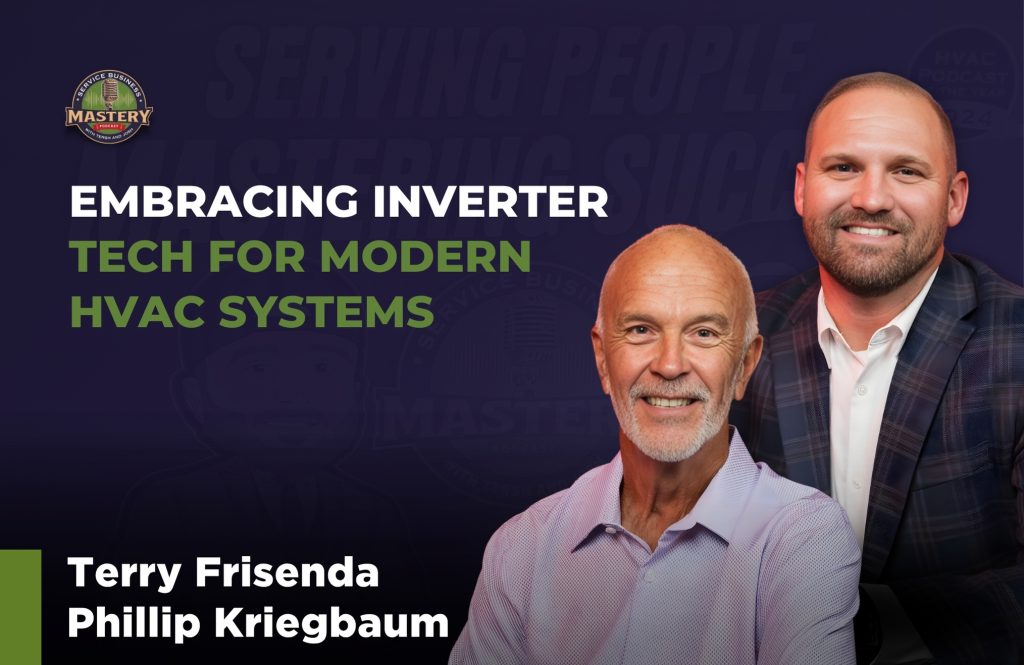
Industry experts, Terry Frisenda, Executive Sales Manager at LG Electronics and Phillip Kriegbaum, Senior Business Development Manager at LG HVAC Solutions USA, bring their insights and experience to the discussion. Terry has spent over sixteen years at LG, guiding HVAC design and technical support across the United States. With decades of hands-on work in system design, installation, and manufacturing, he knows what truly works in the field.
Phillip works closely with him, supporting contractors, solving design challenges, and training teams nationwide. He also co-hosts The LG HVAC Solutions USA, a podcast that helps professionals understand how new systems think, diagnose, and perform. Together, they’re shaping how comfort and efficiency fit into modern living.
This article will examine how HVAC systems are becoming smarter and simpler. You’ll learn how inverter technology saves energy, how AI supports technicians, and why tight home construction changes how systems should be designed. It’s about smarter comfort that works for everyone.
Our Sponsors:



Our Affiliates:




Why Homes Need Flexible and Smart HVAC Technology?
Most HVAC systems work the same way every day. They don’t care if it’s 70 or 100 degrees outside. That wastes energy and makes the home less comfortable.
A smarter system adjusts itself based on real conditions. It uses just the right amount of power to keep the temperature steady and the bills lower.
Smarter Systems Respond to Real Conditions
A regular thermostat only senses temperature from one point in the house. That small reading controls the entire system, often leading to uneven cooling or heating. Adaptive systems fix that problem.
They monitor what’s happening and adjust in real time. When the day cools off, they slow down. When it gets hotter, they work harder. The result is smoother comfort and less energy waste.
Inverter Technology: The Core of Smart Performance
Inverter technology makes all this possible. Instead of switching fully on or off, an inverter compressor changes its speed as needed. This means:
- Steady comfort without big swings in temperature
- Quieter operation since the system doesn’t start and stop suddenly
- Longer lifespan because parts don’t wear out as quickly
For years, inverter systems were seen as expensive. That’s no longer true.
Why It’s Now Within Reach
LG now offers inverter-based systems at nearly the same cost as standard ones. The secret lies in how they’re built. LG makes most of its own components, from motors to compressors.
This control keeps prices fair and quality consistent. Other companies often buy parts from different sources, which adds cost and delays.
The Direction the Industry Is Taking
The HVAC market is changing. Contractors now care about doing more with less. AI tools help answer calls, manage bookings, and handle late-night inquiries.
Modern HVAC systems work the same way, smart, efficient, and built to adapt without effort. Comfort, once static, is finally becoming intelligent.
Why Technicians Hesitate to Adopt Smart HVAC Technology?
Many technicians still hesitate to work with newer HVAC systems. They assume the technology is too complex or risky. In truth, the refrigeration cycle hasn’t changed. What’s new is how the system controls, monitors, and communicates. Once you understand that, it’s not complicated; it’s different.
Common Barriers to Adoption
The hesitation usually comes down to three things:
- Lack of familiarity: Many professionals haven’t worked with newer systems and assume they’re hard to handle.
- Wrong information: Rumors about safety or maintenance issues make people cautious.
- Old habits: Staying with what feels comfortable is easier, even when better options exist.
Modern systems like mini-splits are designed for simplicity. Most issues happen because of small setup errors, not the technology itself. A correct installation solves most of those problems.
The Truth About Modern Refrigerants
A big concern in the industry is refrigerant safety, especially with R-32. Some think it’s unsafe because it’s mildly flammable. However, R-32 doesn’t ignite independently and is safe when handled correctly.
Many fire reports are caused by unrelated site mistakes, not the refrigerant. Think about it, homes already use propane stoves every day without worry. R-32 is much safer in comparison.
The Next Step in HVAC Design
Europe has already switched to low-impact refrigerants and efficient heat pump designs. The U.S. market is following fast. One growing trend is the air-to-water heat pump, which keeps all refrigerants outdoors and uses water to heat or cool inside.
It’s simple, efficient, and easy to install. It can handle space heating, cooling, and hot water in one setup.
The goal isn’t to make HVAC work harder. It’s to make it smarter, cleaner, and easier for technicians and homeowners.
How Spray Foam and Tight Construction Impact Smart HVAC Technology?
Spray foam insulation can make homes very efficient, but creates new HVAC needs. When installers do it right, it seals gaps, holds temperature, and lowers bills.
When they do it wrong, it traps gases, blocks airflow, and hurts indoor air. The fix is simple. Match tight construction with smart design and careful setup.
The Good and Bad of Spray Foam
Spray foam locks air inside, so rooms stay steady and bills drop. However, results depend on the mix and temperature during application.
- If the mix or temperature is off, foam can off-gas or cure unevenly.
- Bad batches cause odors and long-term air quality issues.
You have options. Fiberglass, rockwool, and sealed wall systems give strong insulation and good air sealing without chemical risks.
Why Oversizing the System Is a Problem
Tight homes need smaller, right-sized equipment. Big systems have a short cycle and miss humidity control. A correctly sized unit runs longer, removes moisture, and saves power. Comfort goes up, and costs go down.
Fresh Air and Humidity Control
A sealed house needs planned ventilation. Without it, air feels stale or damp. Many homes pull outside air straight in and bring moisture with it. The right way to handle this is through:
- ERVs (Energy Recovery Ventilators) that exchange air and protect comfort
- Dehumidifiers that keep indoor humidity in a safe range
Both tools protect coils, ducts, and indoor finishes. They also help systems hit the set point without strain.
Why Education Matters in Modern HVAC
Homes are tighter, codes are stricter, and tech moves fast. So designs must change too. Pros need up-to-date load calcs, airflow checks, and moisture control.
Field training closes the gap between plans and results. In short, tight envelopes and advanced HVAC work best as a team. Pair them well; you get quiet comfort, clean air, and steady savings.
How Smart HVAC Technology Improves Service, Diagnostics, and the Trade Itself?
Modern HVAC systems aren’t just mechanical anymore. They think, measure, and adjust on their own. Each system has built-in sensors that track real-time pressure, temperature, and airflow. This live data helps the system fine-tune its performance so it uses less energy and keeps comfort consistent.
Smarter Control and Easier Maintenance
New systems collect information from every part of the refrigerant circuit. They use that data to detect problems early and keep operations smooth. Technicians no longer rely on manual gauges or guesswork.
They can open an app and see everything, coil temperatures, refrigerant flow, and fan speeds. If something looks off, they can check the data, find the cause, and fix it quickly. It saves time and makes every service visit more precise.
Real-Time Troubleshooting
Modern systems show what’s happening inside, so diagnosis becomes simple and fast.
- Fault Codes with Guidance: Each error has a description and steps to fix it. No more flipping through manuals.
- Detailed System Charts: Visual charts reveal where pressure or temperature drops occur, helping pinpoint issues immediately.
- Remote Monitoring Options: Some systems let contractors view performance or check error logs remotely, saving unnecessary visits.
This data-driven setup makes repairs faster, cuts costs, and keeps equipment running efficiently.
A New Way to Learn and Work
Today’s HVAC tools are visual and interactive. Instead of memorizing complex charts, technicians can instantly read live data and see patterns. This mix of tech and hands-on work appeals to a new generation entering the trade.
The Future of Skilled Trades
More people now see the value of skilled work over expensive degrees. HVAC careers reward skill, curiosity, and ongoing learning. Modern systems prove combining technology with craftsmanship creates lasting comfort and a strong career path.
Conclusion
Smart HVAC Technology is changing how comfort works at home. It’s not just about heating or cooling anymore. These systems sense what the house needs and adjust on their own. They use less energy, keep rooms even, and make the air feel right.
Homeowners save money and enjoy steady comfort. Technicians spend less time guessing because systems now show what’s wrong. They can check temperatures, pressure, or fan speeds right from an app. It’s faster, cleaner work that reduces repeat visits and helps every job run smoother.
The best part is that this technology isn’t just for high-end homes anymore. Inverter-based systems now cost the same as regular ones but perform much better. They use power wisely, last longer, and make less noise. It’s a smart comfort that finally makes sense for everyone.
Still, the real difference comes from people. When trained technicians use the right tools and understand the systems, the results speak for themselves. Smart HVAC doesn’t replace skill, it builds on it.
This approach keeps the balance as homes get tighter and energy rules grow tougher. Smarter systems, skilled hands, and thoughtful design are shaping the future of comfort. It’s simple: work smarter, save more, and breathe easier.
FAQs
What makes Smart HVAC Technology different from traditional systems?
Smart HVAC Technology adjusts automatically to real-time conditions instead of running at one constant speed. It uses sensors to read temperature, humidity, and airflow, so comfort stays steady without wasting energy.
Can Smart HVAC Technology work with existing home setups?
Yes. Many modern systems can integrate with existing ductwork or connect through mini-split units. You don’t always need a full replacement, just compatible equipment and a proper setup.
How does Smart HVAC Technology help lower energy bills?
It runs only as much as needed. Reducing unnecessary power use and avoiding full start-stop cycles cuts energy waste and keeps costs in check.
Is Smart HVAC Technology hard to maintain?
Not at all. These systems often monitor themselves. They alert you or your technician if something needs attention, making maintenance faster and simpler.
Can I control Smart HVAC Technology from my phone?
Yes. Many systems connect to mobile apps, letting you check temperatures, adjust settings, and monitor usage anytime, anywhere.
Resources And People Mentioned:
Join the Service Business Mastery Facebook Group for more updates!
This Episode is Kindly Sponsored By:
- Sera (visit their website)
- UpFrog (visit their website)
- CallRail (visit their website)
- CompanyCam (visit their website) Visit CompanyCam and use code SBM for a free 2-week trial, 1:1 training and account setup, and 50% off your first two months!
- MarketStorm (visit their website)
- Lace (visit their website)
- priceguide (visit their website)
Affiliate Links:
- Castmagic (visit their website)
- StreamYard (visit their website)
- IfTTT- 10 Percent off! (visit their website)
- ZyraTalk (Visit their website)