Cold calling is one of the most direct ways to bring in new clients. Results can take time in a market where many rely only on ads or social media. Cold calling changes that by putting you in direct contact with the right people.
It gives you control over your outreach, helps you start real conversations, and creates opportunities faster. This personal approach can often lead to steady growth in a competitive business world.
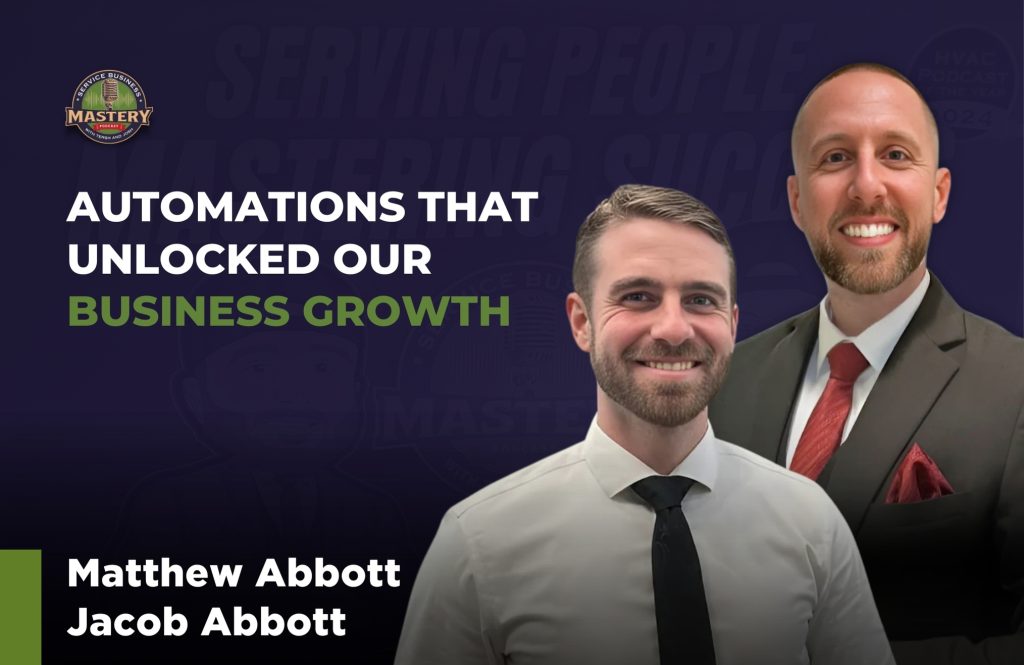
Matthew Abbott, the Founder, and Jacob Abbott, the Co-Chief Executive Officer of Abbott Family Insurance, have built their success around this method. Matthew has led the agency to write $10 million in premiums yearly.
He focuses on combining tax-advantaged benefits with existing insurance plans to help businesses save on payroll taxes and improve employee benefits.
Jacob started as an appointment setter, making up to 1,000 calls daily, becoming the top appointment generator for seven months. Together, they mix persistence, strong listening skills, and smart automation to reach more people while keeping their service personal.
This article will teach you practical ways to make cold calling for business work better. We will cover how to start calls with impact, manage rejection, call at the right times, offer value even without a sale, and use automation to free more time for the tasks that drive growth.
Our Sponsors:



Our Affiliates:




How Cold Calling for Business Can Quickly Build Clients?
Cold calling is one of the fastest ways to get new customers. Instead of waiting for people to call you, you reach out first. This gives you more control and more chances to make a sale.
Make Calls Every Day
Consistency is key. The more calls you make, the more people you reach. High call numbers may seem hard, but each call increases your chances. Think of every number you dial as a new opportunity.
Why Many Struggle with Outreach
Some rely only on ads, social media, or just having a business number. These methods can help, but they are slow on their own. Without direct contact, you miss many chances to grow. Cold calling fills that gap.
Tips for Better Cold Calling for Business
- Start Strong: You have seconds to catch attention. Speak with energy and confidence.
- Follow a Plan: A set sales method, like the Straight Line approach, helps you guide the talk.
- Ask Questions: Let the other person share their needs and problems.
- Listen Closely: Pay attention to what they say. Offer the exact solution they need.
From Effort to Steady Growth
Cold calling does more than just get sales. It builds trust and spreads your name. Over time, people start calling you without you reaching out first. The key is to keep going, even on slow days.
That said, the real success comes from a mix of skill and persistence. If you commit to calling daily, use a clear plan, and listen to people’s needs, you can build a strong client base faster than waiting for leads to come in on their own.
How to Handle Rejection in Cold Calling for Business?
Cold calling means you will hear “no” far more than “yes.” Some people will respond politely, while others may sound annoyed. The key is to keep moving forward without letting rejection affect your focus or mood.
Keep the Right Mindset
Treat every call as progress, even if it does not lead to a sale. A refusal is not a personal attack. You may face many rejections before someone agrees to talk. Begin each day with a clear head, leave yesterday’s results behind, and focus on making the calls you planned.
Best Times for Cold Calling for Business
- Avoid calling during slow periods. For example, the two weeks before Christmas are often unproductive because people are busy and less willing to spend.
- Use the first-or-last approach. Being the first caller lets you make the first impression. Being the last means following up after others have stopped, often when the person is ready to listen.
- Wait a few days before calling again. This short break can make them more open to speaking with you.
Offer Value, Even Without a Sale
If the person is not ready to buy, still provide something useful. For example, if they complain about constant calls, guide them on adding their number to the national Do Not Call list. Small, helpful actions like this leave a good impression and make future talks easier.
Hire for the Right Personality
Not everyone can stay motivated when facing repeated rejection. Cold calling works best with people who:
- Stay calm under pressure
- Keep a polite and professional tone
- See every call as a new chance
With persistence, the right timing, and a helpful approach, rejection becomes less discouraging and more like a step toward success.
Cut Payroll Taxes with Cold Calling for Business
Businesses can cut payroll taxes and give employees extra benefits without changing their main health insurance plan. This is done by adding a voluntary benefits package and using specific tax codes to lower taxable wages.
How the Program Works
The current health coverage stays in place. The added benefits can include accident coverage, preventive care, and telemedicine. These are funded through a pre-tax setup, such as the cafeteria 125 deduction.
By moving part of wages into pre-tax benefits, the taxable amount for each employee drops. This means:
- The business pays less in payroll taxes
- The employee pays less in income taxes and keeps more of their pay
The change does not disrupt existing insurance relationships, making applying simple.
Why It Works for Both Sides
Employers save on payroll costs and strengthen retention without increasing payroll spending. Employees gain extra benefits without paying more and enjoy a higher take-home income. This makes the overall pay and benefits package stronger for both sides.
Scaling the Approach
When more employees or clients join the program, automation helps keep the process smooth. CRM systems or integration tools can handle tasks such as follow-ups, record updates, and scheduling. This reduces manual work and allows teams to focus on service and growth.
By combining smart tax planning with valuable benefits and efficient systems, businesses can improve their bottom line and increase employee satisfaction.
This can be done while keeping existing insurance providers in place, avoiding disruption, and making the process easier for everyone involved.
Use Automation in Cold Calling for Business
Automation takes care of repetitive tasks so you can spend more time on work that grows the business. When set up properly, it runs quietly in the background and keeps things moving without constant attention.
How Automated Processes Work
In sales, automation can trigger actions at the right moment. For example, when a customer accepts a proposal, the system sends the next email automatically. When the provider sends the final proposal, automation moves the process forward without anyone having to step in.
The best place to start is by spotting tasks you do repeatedly. These might be follow-ups, sending the same documents, or confirming schedules. Many people overlook these because they feel like normal work. Yet replacing them with automated steps frees time for more valuable activities.
Shifting Focus to Income-Producing Actions
When routine tasks are automated, you can focus on work that directly brings in revenue, such as:
- Calling new prospects
- Holding important client meetings
- Following up with warm leads
This shift ensures your time is spent where it delivers the most results, not on tasks that simply fill the day.
Implementation Matters
Automation only works when it is put into action. Knowing which tools to use is not enough. You must apply them to real processes and use them consistently. Without this, even the best ideas will not create results.
By identifying repetitive work, automating it where possible, and sticking with those systems, businesses can run more efficiently, improve the client experience, and focus on activities that drive growth instead of being stuck in routine administration.
Conclusion
Cold calling for business works best when you stay consistent and focus on every call as an opportunity. It is about making contact and offering value, building trust, and leaving a positive impression. Success comes from using clear sales methods, calling at the right time, and not letting rejection slow you down.
Automation can make this process easier. By removing repetitive tasks, you gain more time for calls, meetings, and follow-ups that lead to sales. This also helps you keep your attention on clients instead of routine paperwork.
Combining cold calling with smart strategies, such as tax-saving benefit programs, can strengthen your results. These programs can help businesses cut costs and give employees better benefits, making your offer more attractive.
When you work with a clear plan, stay patient, and use tools that keep your process running smoothly, cold calling becomes more productive and less stressful. Over time, it can become one of the most reliable ways to grow your client base and build lasting business relationships.
FAQs
What is the main goal of cold calling for business?
The main goal is to start conversations with potential clients and create new opportunities for sales. It helps you connect directly instead of waiting for leads to come in.
How long should a cold call for business usually last?
A good cold call is short, often 2–5 minutes. You aim to get interest, not give a full sales pitch.
Is cold calling for business better than email outreach?
Both have value, but calls give instant feedback. You can adjust your approach based on real-time responses.
Do I need a script for cold calling for business?
A script helps you stay on track, but keep it flexible. Adapt to the client’s tone and answers.
How can I sound confident during cold calling for business?
Prepare before each call, speak clearly, and smile while talking. This makes your tone warmer and more engaging.
Resources And People Mentioned:
Join the Service Business Mastery Facebook Group for more updates!
This Episode is Kindly Sponsored By:
- Sera (visit their website)
- UpFrog (visit their website)
- CallRail (visit their website)
- CompanyCam (visit their website) Visit CompanyCam and use code SBM for a free 2-week trial, 1:1 training and account setup, and 50% off your first two months!
- MarketStorm (visit their website)
- Lace (visit their website)
- priceguide (visit their website)
Affiliate Links:
- Castmagic (visit their website)
- StreamYard (visit their website)
- IfTTT- 10 Percent off! (visit their website)
- ZyraTalk (Visit their website)