
Trade skills like electrical work, plumbing, and HVAC are vital in today’s economy. Technical competitions have become crucial for improving these skills and encouraging people to pursue them as careers. These contests challenge participants to show their skills and build their knowledge, combining practical tests with helpful feedback.
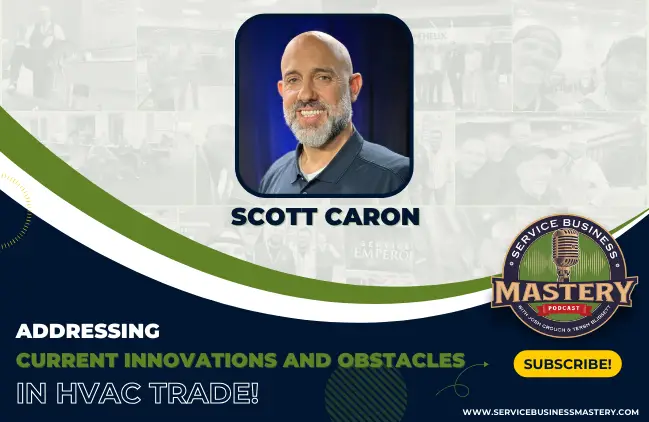
Scott Caron is a veteran of the trades with over 35 years of experience. He’s known for organizing technical competitions like the “Elite Trade Championship Series” and has appeared on TV shows like “This Old House.”
Caron assembles competition kits, where participants must build parts and demonstrate their trade skills. His dedication sets a high standard for the competition and motivates competitors to aim higher.
Our Sponsors:






Our Affiliates:




In this article, We’ll learn about the impact of technical competitions on trade skills, from the intense testing process to the importance of early training.
We’ll look at how networking events help professionals grow and how modern tech in HVAC and plumbing boosts job security. Through Scott’s insights, we’ll see how the blend of hands-on work, learning, and passion drives the trade skills industry forward.
The Impact of Technical Competitions on Trade Skill Development
Technical competitions play a pivotal role in honing participants’ skills in HVAC, plumbing, and electrical work. These events combine rigorous practical tests with educational benefits, fostering a greater appreciation for trade skills.
Competition Structure and Evaluation
- Initial Screening: Participants first undergo an online quiz.
- Kit Distribution: Successful candidates receive a kit for the next round involving practical tasks.
- Practical Round: Competitors assemble parts from their kits at home, demonstrating their technical skills. These sessions are recorded and judged rigorously.
Evolution and Broadcasting
Originally focused on electrical skills, these competitions have expanded to include automotive and other trades, with events now broadcasted on national sports channels. This exposure helps elevate the trades to a broader audience, showcasing the skills and precision required.
Educational Benefits of Trade Skills Development
Early exposure to trades through educational programs significantly enhances skill acquisition. Advocates argue that introducing young students to practical skills can set a strong foundation for future career success. Unfortunately, many schools have moved away from this model, which has decreased interest in trades.
Advocacy for Trades Education
There is a growing recognition of the value of trade skills over traditional academic paths, which often lead to high student loan debt. Advocates for trade education stress the practical and economic benefits of learning a trade, encouraging more young people to consider this viable career path.
Continuous learning and licensing are integral to advancing in these fields, as demonstrated by professionals who invest years honing their skills through night schools and other educational programs.
Building Relationships and Learning in the Trade Skills Community
The importance of networking and collaborative learning in electrical, HVAC, and plumbing trades is immense. Professionals who connect with peers at events or through industry-specific programs often find these interactions enrich their skills and open up new opportunities.
The Power of Networking
Engaging with other professionals at events like NextStar boot camps allows tradespeople to exchange valuable insights and tackle common challenges. This connection leads to a shared growth that benefits all participants. For instance, through networking, tradespeople like the Adario brothers have built strong relationships that support mutual success in the industry.
Professional Growth Through Trade Skills Programs
Industry programs like NextStar offer structured training and vital networking opportunities, especially beneficial for those who prefer hands-on work. Such initiatives help balance physical labor and necessary business skills, enriching the participants’ professional lives.
The Joy of Working in Trades
A unique satisfaction in trades comes from seeing a tangible result of one’s work—like lighting up a house or starting a generator. This joy is a significant part of what attracts people to these careers. Beyond personal fulfillment, these jobs also offer:
- Financial stability: Engaging in physical labor ensures a steady income, affirming the value of working in trades.
- Career longevity: The skills required in trades are not only in demand globally but are also less likely to be replaced by automation. This offers job security that is appealing in an ever-evolving tech landscape.
The synergy of practical work, continuous learning, and the genuine passion evident in tradespeople sustains and drives the industry forward. These elements promote personal and professional growth and ensure the relevance and necessity of trade in modern economies.
Evolving Technology and Job Security in the Trade Skills Industry
The ongoing evolution of technology in trades such as HVAC, plumbing, and electrical work is enhancing the efficiency of homes and solidifying job security for those in the industry.
Let’s explore how technological advancements impact trades, focusing on the shift towards less physically demanding and more intellectually engaging work.
Advancements in Heating and Cooling Systems
The shift from traditional steam boilers to modern heating solutions like mini-split systems represents a significant change in the HVAC industry. These systems offer heating and cooling capabilities and are notable for their efficiency and ease of installation.
This technological shift means:
- Less Physical Work: Modern systems require less physical labor to install, moving the industry towards more intellectually driven tasks.
- Increased Demand for Technical Skills: As systems become more advanced, the need for technical skills, including managing digital controls and refrigerant levels, grows.
Job Security Through Technological Adaptation of Trade Skills
As homes become more energy-efficient and equipped with advanced technologies, the demand for skilled tradespeople continues to rise.
Those in the trades are seeing:
- Increased Job Opportunities: As technology evolves, new opportunities arise for tradespeople adept at installing and maintaining modern systems.
- Long-term Career Viability: The ongoing need for upgrades and maintenance in residential and commercial buildings ensures sustained demand for skilled labor.
The Role of Education and Training
The increasing complexity of trade technologies necessitates higher education and training within the field. It’s a misconception that trades are less intellectually demanding than other professions.
The opposite is often true, especially with the integration of advanced technologies that require:
- Strong Problem-Solving Skills: Modern tradespeople must be capable of troubleshooting and resolving complex issues with advanced systems.
- Continuous Learning: Staying current with technological advancements is crucial, highlighting the importance of ongoing education and certification in the trades.
Future Prospects and Innovations
The future of trade looks promising, with continual advancements ensuring that the work remains relevant and increasingly vital to modern infrastructure.
Innovations in HVAC and electrical systems make residential environments more comfortable and contribute to global efforts to reduce energy consumption and enhance sustainability.
This ongoing technological evolution proves that the trades are not only about manual labor but also about intellectual engagement and adaptation, securing their place as a critical component of the future workforce.
Managing Challenges and Embracing Technology in the Trades
The interplay between technology and traditional trades such as HVAC, plumbing, and automotive repair is transforming the landscape of these industries. As vehicles and home systems become more integrated with digital technologies, the skills required to manage and repair them are also evolving.
Challenges in Modern Automotive Systems
Modern vehicles like the Lincoln Navigator and Aviator showcase the complex nature of contemporary automotive technology, where computer systems can govern simple tasks such as adjusting air conditioning or stereo volume.
This shift has led to scenarios where vehicle behaviors can seem unpredictable or “possessed,” illustrating the challenges technicians face:
- Complex Computer Controls: Vehicles now have advanced computer systems that control everything from seating positions to climate control, making troubleshooting more complex.
- Need for Advanced Diagnostic Skills: Technicians must be proficient with diagnostic tools and understand electronic control systems to address these issues effectively.
Technological Integration in HVAC Trade Skills
Similar to the automotive industry, HVAC systems have undergone significant advancements. The transition from traditional boilers to systems like mini-split heat pumps reflects broader trends toward energy efficiency and reduced physical labor.
These systems require technicians to possess a blend of traditional skills and digital literacy, as many modern installations involve:
- Digital Configuration: Technicians often use laptops to calculate precise installation requirements, such as refrigerant levels, based on the length of line sets.
- System Monitoring: Modern HVAC systems may include features like remote monitoring and digital controls, necessitating ongoing education in new technologies.
The Importance of Technical Expertise
As systems become more complex, the value of technical expertise in the trades increases. Technicians are no longer paid for their labor but for their knowledge and ability to diagnose and solve problems efficiently.
This expertise is critical in industries rapidly integrating new technologies, where the ability to adapt and learn is as valuable as the skills themselves.
Preparing for the Future of Trade Skills
The evolution of technology in trades highlights the importance of adaptability and continuous learning. For professionals in these fields, staying updated with the latest technological advancements is crucial.
This ensures job security and a competitive edge in an increasingly technical marketplace. As industries continue to merge technology with traditional skills, the role of tradespeople is becoming more sophisticated, blending manual dexterity with intellectual engagement.
This shift not only enhances the workforce’s capabilities but also ensures that these crucial industries remain robust and responsive to the demands of modern society.
Conclusion:
In summary, technical competitions significantly contribute to developing trade skills. They offer participants a platform to sharpen their HVAC, plumbing, and electrical work abilities, with rigorous tests fostering precision and a deeper appreciation for trade skills.
The exposure from broadcasting these events on national sports channels broadens the audience, elevating trade careers. Networking within the trade community plays a crucial role in building valuable relationships.
Events like NextStar boot camps facilitate knowledge-sharing and help tackle industry challenges, strengthening the collective growth of professionals. Advancements in technology in the trade skills industry, especially in HVAC, plumbing, and electrical work, are revolutionizing efficiency while solidifying job security.
Modern systems require less physical labor but emphasize technical expertise in digital controls and advanced diagnostics. This trend makes continual learning essential for tradespeople who must stay updated with evolving systems.
The future of trade skills looks promising. Continuous innovations ensure the relevance of these professions in modern economies. Integrating technology and traditional skills has created a sophisticated workforce where the value of trade expertise remains high.
With increased adaptability and technical proficiency, tradespeople can maintain competitiveness in an evolving marketplace and continue contributing to global sustainability efforts.
FAQs
What is the importance of trade skills in a global economy?
Trade skills are crucial because they support infrastructure and drive sectors like construction, HVAC, plumbing, and electrical work. Global economies rely on these skills for sustainability, energy efficiency, and technological integration.
How do technical competitions address the skills gap in the trades?
They bridge the skills gap by promoting education and hands-on practice, encouraging participants to develop comprehensive trade skills and motivating others to join these fields.
What role do women play in elevating trade skills through technical competitions?
Women bring unique perspectives and skills to trades and often challenge stereotypes. Their growing participation in competitions demonstrates that trades are inclusive and accessible.
How do trade skills benefit from mentorship programs in competitions?
Mentorship programs guide newcomers through best practices and career growth, offering advice, feedback, and support that help them excel in technical competitions and the workforce.
What technological advancements have influenced electrical trade skills?
Advancements like smart grids, automation, and renewable energy systems have increased the need for electricians to understand new diagnostic tools and digital control systems.
How can trade skills training integrate modern educational techniques?
By combining online learning with hands-on practice, training can provide theoretical knowledge alongside practical applications to ensure comprehensive skill development.
How do technical competitions impact career opportunities for trade workers?
Competitors gain visibility, networking opportunities, and endorsements that can enhance their careers, opening doors to better job prospects and specialized fields.
Resources And People Mentioned:
Join the Service Business Mastery Facebook Group for more updates!
This Episode is Kindly Sponsored By:
- Sera (visit their website)
- UpFrog (visit their website)
- CallRail (visit their website)
- CompanyCam (visit their website) Visit CompanyCam and use code SBM for a free 2-week trial, 1:1 training and account setup, and 50% off your first two months!
- MarketStorm (visit their website)
- Rilla (visit their website)
Affiliate Links:
- Castmagic (visit their website)
- StreamYard (visit their website)
- IfTTT- 10 Percent off! (visit their website)
- ZyraTalk (Visit their website)