



Many home service businesses work hard to grow but struggle to understand their numbers. Owners often rely on bookkeepers or CPAs, thinking that it covers everything. But when reports look confusing, or profits don’t match the bank account, it’s clear something’s missing.
In most cases, it’s not about doing more. It’s about understanding what the numbers are really saying and using that information to make better choices.
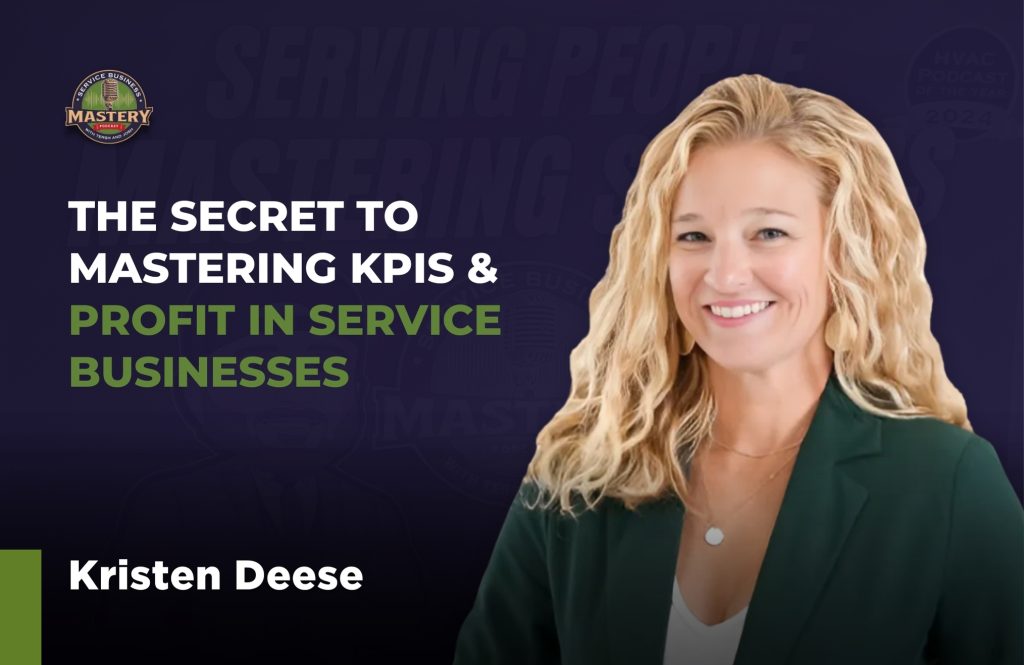
Kristen Deese is the Chief Financial Officer at The Virtual CFO for the Trades, Paradise Home Services, and AGS Installations, INC. She has over 20 years of trade experience, running companies alongside her husband. With a degree in accounting and real experience building, buying, and selling service companies, she knows the daily challenges owners face. Kristen started by training staff on accounting tasks.
Over time, she saw that owners also needed help reading reports, managing cash flow, and making confident financial decisions. Her work now focuses on helping owners understand and use their numbers to grow strong, healthy businesses.
In this article, you’ll learn what a Virtual CFO for Home Services does. We’ll look at the difference between a CPA, a bookkeeper, and a CFO. You’ll also see how financial reports work, what numbers matter most, and how to plan for profit. Plus, we’ll explore tools and tips you can use immediately.
Our Sponsors:



Our Affiliates:




What Does a Virtual CFO for Home Services Do?
A virtual CFO helps home service businesses make sense of their numbers and improve their operations. Many owners feel confused when looking at reports.
They often think their CPA or bookkeeper is handling everything. But each role serves a different purpose.
Key Differences Between a CPA and a CFO
- CPA (Certified Public Accountant): Handles taxes and tries to lower tax bills.
- Virtual CFO: Focuses on profits and how well the business runs.
- Bookkeeper: Keeps track of money coming in and going out.
A CPA wants to reduce your net income to save on taxes. A CFO wants to raise your net income so your business grows. Both use the same reports but aim for different results.
Why This Matters in the Trades
Many CPAs don’t understand how home service businesses work. So, they set up reports in ways that don’t help owners. These reports often miss key details like labor costs or overhead.
Owners often don’t know things could be better. They trust the reports, not realizing the setup may not fit their business. That’s why it helps to have someone explain what’s missing and why it matters.
A virtual CFO shows owners how to train their staff, read reports, and make smart choices based on the data.
Meeting With a CPA
Meeting a CPA once a quarter helps you plan for taxes and stay ahead. It also helps you avoid large, unexpected tax bills. Planning early keeps things smooth and less stressful.
How does a Virtual CFO for Home Services View Profit and Taxes?
Many business owners look at their bank balance and think they’re doing fine. But that can be risky. It’s easy to forget about upcoming tax bills or other costs.
If you take out large amounts without planning, you may fall behind fast. Spending just to lower your tax bill can also backfire if the purchase doesn’t bring real value.
Before buying anything, ask yourself if it helps the business grow or just adds more debt. If it won’t make money or save time, it’s probably not worth it.
The Profit-First Approach
- Separate money into key accounts:
Profit First is a way to manage cash by using different accounts for profit, taxes, and expenses. This setup brings more control and less confusion. - Pay profit first, not last:
Instead of saving what’s left, move money to your profit account first. Then, run the business with what remains. This change helps protect your profit. - Use a different bank for savings:
Some owners go a step further and use another bank for savings. This slows down access and stops quick withdrawals. You must think before touching that money. - It works best with steady profit:
The system works well when you earn profit month after month. If your income jumps around, it may be hard to follow. You might end up pulling money back out just to cover costs.
What If You Struggle with Profit?
There’s a deeper issue if you’re dipping into tax or profit accounts often. You may need better pricing, more sales, or tighter spending.
Profit First works best when your business runs well. But even then, the biggest win is the mindset shift. Plan for profit. Don’t wait, and hope it shows up later.
How does a Virtual CFO for Home Services Guide Financial Choices?
A strong CFO doesn’t just block ideas. Instead, they guide owners to make smart, informed choices. When someone wants to spend, the better question is, “What needs to change to afford this?” This keeps the decision in the owner’s hands while helping them plan well.
For example, the CFO won’t say no if someone wants to stock $100,000 in inventory. Instead, they’ll help create a plan, cutting costs or finding funding. The goal is to make the idea work without hurting cash flow.
This keeps the focus on solving problems, not stopping progress. It’s about planning, not restricting.
The Three Most Useful Numbers for Business Health
The balance sheet shows what the business owns, owes, and keeps. It also reveals if too much money is being pulled out. Many owners ignore it, but it’s one of the most important reports.
The cash flow statement shows how money moves in and out of the business. A business may show high profit yet still struggle to pay bills. This report explains why.
The profit and loss (P&L) statement shows income and costs. It gives a clear view of profit but misses key cash drains. That’s why it should be used with the other two.
Common Reasons for Missing Cash
Even if reports look good, cash may still be tight. These are the common causes:
- Jobs completed but not yet paid for
- Owners taking large draws or distributions
- Loan payments, especially principal amounts
These don’t show clearly on the P&L but take up real cash.
Why Understanding the Balance Sheet Matters
The balance sheet has three parts: assets, liabilities, and equity. It may look complex, but the idea is simple. If owners learn to read this report, they can spot problems early and make better choices.
What the Power Profit Workshop Offers Home Service Owners
The Power Profit Workshop is for owners and ops managers involved in daily work. The event keeps attendance limited to 50 people. This setup gives everyone time to ask questions and absorb what they learn.
Most events share ideas but do not include the steps to apply them. This one does both. The sessions are paced well, with time to process and take notes. You won’t feel rushed or overloaded. Instead, you’ll leave with tools you can use immediately in your business.
The workshop blends financial training with leadership topics, giving a well-rounded and practical experience.
How Will AI and Automation Fit into the Event?
- Save time on reporting: Use automation to collect and track KPIs faster.
- Use simple tools: Learn easy ways to reduce manual tasks with basic tech.
- Know what to automate or delegate: Determine which jobs you can automate or hand off.
- Free up your time: Spend less time on reports and more on planning with your CFO.
This helps you stay focused on what matters most—growing your business.
What Should You Bring?
Bring a laptop. You’ll use Excel or Google Sheets during hands-on sessions. No advanced skills are needed. The steps are clear and simple. Just come ready to follow along and apply what you learn.
Being prepared helps you get the most from the workshop.
A Bonus for Couples in Business
- One speaker co-wrote When Your Business Partner Is Your Spouse.
- The book shares real lessons from working together.
- It includes simple tips and short exercises.
- It’s great for couples managing both work and home together.
Conclusion
Many home service owners feel lost when it comes to understanding their finances. That’s where a Virtual CFO for Home Services can help. They break things down in a clear, simple way so you can make better choices. They don’t just show reports. They explain what those reports mean and how to use them to grow.
A Virtual CFO helps you see what’s working and what’s not. They guide you in handling cash, pricing your work, and planning ahead. If something needs to change, they help you build a plan instead of saying “no.” This support gives you the tools to run your business with more confidence.
You don’t need to be a numbers expert. You just need someone who can explain things clearly and help you focus on what matters. You stop guessing and start making smart moves when you understand your numbers. You build a stronger business, one step at a time.
FAQs
What does a Virtual CFO for Home Services cost?
Costs vary by business size and needs. Most virtual CFOs charge monthly fees, often less than hiring full-time.
Can a Virtual CFO for Home Services help with pricing services?
Yes. They review your costs, market rates, and margins to help you set smart, profitable prices.
Is a Virtual CFO for Home Services only for large companies?
No. Small businesses benefit, too, especially during growth or when facing cash flow issues.
How often should I meet with a Virtual CFO for Home Services?
Most businesses meet monthly. Some meet more often during busy seasons or major changes.
Can a Virtual CFO for Home Services help me get a loan?
Yes. They help prepare financial reports and forecasts to improve your chances with banks or lenders.
Resources And People Mentioned:
Join the Service Business Mastery Facebook Group for more updates!
This Episode is Kindly Sponsored By:
- Sera (visit their website)
- UpFrog (visit their website)
- CallRail (visit their website)
- CompanyCam (visit their website) Visit CompanyCam and use code SBM for a free 2-week trial, 1:1 training and account setup, and 50% off your first two months!
- MarketStorm (visit their website)
- Lace (visit their website)
- priceguide (visit their website)
Affiliate Links:
- Castmagic (visit their website)
- StreamYard (visit their website)
- IfTTT- 10 Percent off! (visit their website)
- ZyraTalk (Visit their website)