In the world of home services, your service manager often becomes the backbone of your business. Whether you run an HVAC, plumbing, or electrical company, the transition from top-performing technician to effective service manager is filled with unexpected challenges.
Many home service business owners promote their best technicians, only to see them struggle with leadership, accountability, and management responsibilities.
This article explores why that happens, what you can do about it, and how investing in the right service manager training can transform your business.
Get your FREE 14-day trial at callrail.com/sbmpod
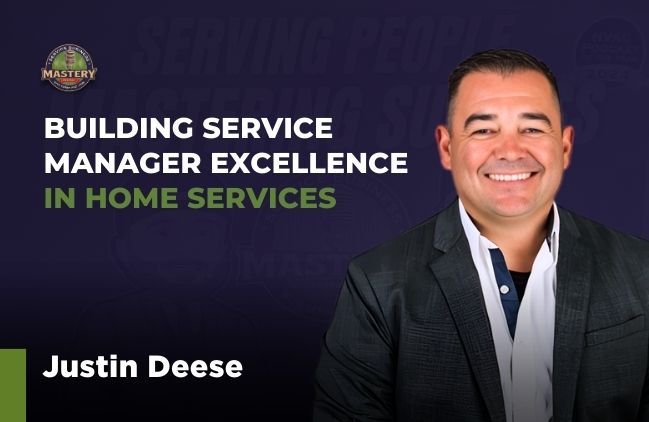
This conversation features expert insights from Justin Deese, host of the Freedom Blueprint podcast, seasoned home service business owner, and creator of Service Manager Academy, along with actionable guidance from hosts Tersh Blissett and Josh Crouch. The discussion dives into common mistakes new service managers face, navigating close working relationships (including spouses and friends), leadership development in the trades, and practical systems for building a high-performing service team.
Main topics covered include:
- The most common mistakes when promoting technicians to service managers
- Setting boundaries with coworkers, friends, and family in a service business
- Leadership and communication strategies that work in HVAC, plumbing, and electrical companies
- Essential tools and systems for effective service management
- How to build accountability without micromanaging
If you are a home service business owner looking to strengthen your management team and scale sustainably, this article is for you.
Our Sponsors:



Our Affiliates:




Why Top Technicians Struggle as Service Manager
Many home service companies make a familiar but risky decision: promoting their best technician into a service manager role. The logic seems sound—if someone excels in the field, they should be able to lead others. In reality, the leap from technical expertise to service management and leadership is much larger than most business owners expect.
The skill set required to succeed as a technician often does not align with what is needed to manage, coach, and lead a service team. As Justin Deese and the hosts explain, top technicians may excel at troubleshooting, efficiency, and customer service, but struggle with people management, communication, and establishing authority as a service manager. This mismatch often leads to frustration across the organization: managers feel ineffective, technicians lack direction, and owners experience stalled growth.
One of the biggest issues is the lack of formal service manager training. New managers are frequently placed into leadership roles with little guidance beyond “do what you did in the field.” This overlooks the critical differences between managing tasks and leading people—such as having difficult conversations, coaching for performance, and holding team members accountable without damaging morale.
The good news is that these challenges are fixable. With intentional leadership development, clear systems, and structured training, service managers can grow into confident, capable leaders.
Key Takeaways:
- Promoting technicians without leadership training sets service managers up for failure
- Service management requires a different skill set than technical work
- Proper onboarding, systems, and leadership training make a measurable difference
Action Steps:
- Evaluate your promotion process for leadership potential, not just technical ability
- Invest in a structured service manager training program
- Provide leadership tools and clear expectations from day one
Navigating Relationships and Setting Boundaries in a Family Business
Working alongside family members or close friends is common in home service businesses, but it introduces an extra layer of complexity. Many HVAC, plumbing, and electrical companies involve spouses or long-term friends in management roles, which can blur personal and professional boundaries if not handled intentionally.
Justin Deese and Tersh Blissett share personal experiences about working with their spouses and the strain it can place on both the business and the relationship. When work conversations bleed into personal time and there is no separation between roles, burnout and resentment can quietly build over time.
A practical solution is setting clear boundaries around when and where business discussions happen. One example shared is creating physical boundaries—such as no work conversations in the bedroom—and scheduling designated times for business discussions. These simple rules protect relationships while keeping the business running smoothly.
Key Takeaways:
- Family and friend dynamics add complexity to service management
- Poor boundaries can damage both relationships and business performance
- Clear rules help protect personal relationships and leadership effectiveness
Action Steps:
- Identify where boundaries are currently lacking in your business
- Establish time-based and physical boundaries for work conversations
- Communicate expectations clearly and revisit them regularly
Building Real Leadership Skills and Accountability
Effective leadership in the trades goes far beyond technical knowledge. Strong service managers must learn how to motivate people, set expectations, and provide accountability with empathy. One proven approach highlighted by Justin Deese is the use of structured one-on-one meetings with team members.
Consistent meeting agendas help service managers ask better questions, track performance, and document progress. These conversations build trust, surface challenges early, and reduce anxiety around formal reviews. Maintaining written records also creates a clear accountability trail, making it easier to identify performance trends and determine when changes are necessary.
Leadership skills are rarely innate. Most service managers need training, tools, and practice to lead effectively. Providing systems, documentation, and communication frameworks empowers managers to hold their teams accountable without relying on constant intervention or termination.
Key Takeaways:
- Leadership is built through structured communication and consistency
- One-on-one meetings improve accountability and team development
- Most service managers need leadership training, not just technical guidance
Action Steps:
- Schedule regular one-on-one meetings using a structured agenda
- Document goals, feedback, and performance trends
- Invest in leadership development resources for service managers
Investing in Systems and Continuous Improvement for Growth
Growing a home service business requires more than hiring more technicians or working longer hours. Sustainable growth comes from investing in leadership development and continuously improving your management systems. Justin Deese emphasizes the importance of ongoing service manager training programs, such as Service Manager Academy, which provide practical tools, live coaching, and peer support.
A culture of continuous improvement should extend beyond management and into the entire organization. Encouraging curiosity, ongoing education, and process refinement helps attract and retain top talent while allowing your business to adapt as the home service industry evolves.
For owners who feel overwhelmed by daily firefighting or management bottlenecks, investing in systems and education is often the turning point. The ultimate goal is to empower your leaders to make decisions, reduce owner dependency, and create a company where the next generation wants to build a career.
Key Takeaways:
- Service manager training is essential for scaling home service businesses
- Continuous improvement keeps teams engaged and adaptable
- A culture of learning creates long-term stability and growth
Action Steps:
- Review your current management systems for gaps and inefficiencies
- Enroll leaders in training programs that combine coaching and practical tools
- Foster a culture built on learning, accountability, and open communication
FAQs
Q: What is the biggest challenge when promoting a technician to a service manager role?
A: The biggest challenge is the shift from technical work to people leadership. Most technicians lack training in communication, accountability, and service management systems.
Q: How can I help a new service manager succeed quickly?
A: Provide leadership-focused service manager training, structured meetings, clear expectations, and practical tools like scorecards and documentation systems.
Q: Are there proven service manager training programs for home services?
A: Yes. Programs like Service Manager Academy offer proven systems, coaching, and plug-and-play tools designed specifically for home service businesses.
Q: How do I encourage independence without micromanaging?
A: Require managers to bring proposed solutions instead of just problems, document expectations, and reinforce accountability through regular check-ins.
Q: Why is servant leadership effective in the trades?
A: Servant leadership builds trust, ownership, and engagement, leading to stronger teams, lower turnover, and better long-term performance.