



The HVAC industry is undergoing significant changes, driven by new technologies and a growing need for skilled professionals. This shift has made HVAC recruitment a key area of focus. Companies are adopting innovative hiring practices to attract and retain the best talent, ensuring their teams are well-equipped to meet customer demands and industry standards.
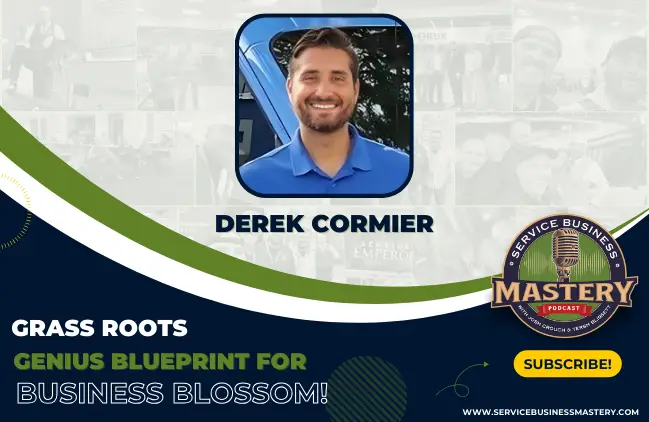
One leader making strides in this field is Derek Cormier, CEO of Climate Experts Inc. Based in Melbourne, Florida, his company is known for its commitment to quality and innovation. As a NATE-certified business in Brevard County, Climate Experts Air and Heat has set high standards in the HVAC sector.
In this article, based on Derek’s insights, we will explore effective recruitment strategies that help build successful teams. We will learn about the use of technology in streamlining hiring processes and how a strong company culture can attract the right candidates. We will also cover the challenges and solutions in today’s HVAC recruitment landscape and provide practical advice for businesses looking to improve their hiring approach.
Our Sponsors:






Our Affiliates:




HVAC Recruitment Innovations
The HVAC industry has faced notable recruitment challenges, particularly during its peak growth phases. Innovations in hiring strategies have emerged as a solution, proving pivotal in streamlining the process and attracting skilled professionals.
Entrepreneurial Beginnings and Rapid Expansion
Derek Cormier, CEO and founder of Climate Experts Inc., shared valuable insights on building his successful HVAC business. The journey began with a small setup featuring just one truck, co-operated by a father-son duo.
Their commitment to improving customer service and work quality soon demanded an expansion. This growth was not just in numbers but also in vision, setting a budget goal of $8 million in 2024, with aspirations to stretch it to $10 million.
Marketing the Job
One transformative strategy was to treat job applications like a marketing campaign. This approach showcased the company’s vibrant culture and commitment to quality, making it an attractive workplace. Social media played a crucial role here, enhancing visibility and engaging potential applicants with the company’s community activities.
Leveraging Technology for Efficient HVAC Recruitment
Technology integration has been a game-changer in the hiring process:
- One-way video interviews have replaced traditional interviews, allowing candidates to submit their discussions at their convenience. This method saves time and speeds up the candidate screening process.
- In-person mass interviews, combined with hiring events, still hold value. These sessions include interactive elements like giveaways and presentations, making them more engaging for participants.
These innovative hiring practices have simplified the recruitment process and improved the quality of hires. This holistic approach, blending traditional methods with modern technology, sets new standards in the HVAC industry.
Enhancing Candidate Experience and Engagement in HVAC Recruitment
Addressing employee engagement and retention effectively can significantly impact the success and growth of HVAC companies. The hiring process in many businesses is often impersonal, but adopting a personal touch can transform the candidate experience.
For example, reaching out to candidates who miss an interview, expressing concern for their well-being, and offering another chance can leave a positive impression and make them more eager to be part of the team.
HVAC Recruitment as an Extension of Marketing
Even during interviews, companies must present themselves attractively. This approach ensures that even if candidates are not hired, they speak highly of the company to others. Such strategies have led candidates to refer others who eventually become valuable hires.
Automated and Integrated HVAC Recruitment Systems
Advancements in recruitment technology have streamlined the process significantly:
- Applicant Tracking Systems (ATS): These systems integrate with job boards and automate initial communications through text messages, encouraging prompt applicant engagement.
- Follow-up Mechanisms: Automation extends to follow-up communications, ensuring candidates remain engaged throughout the hiring process and improving the chances of successful hires.
Focus on Retention Through Clear Career Pathways
Retention strategies are as crucial as recruitment tactics. Companies that excel:
- Identify and uphold core values: Businesses can ensure a good fit by aligning hires with the company’s core values and culture.
- Provide clear career progression paths: Employees are more likely to stay when they see a future and growth potential within the company. Regular reviews and updates on these paths are essential to retaining top talent.
These strategies fill positions and foster a loyal workforce, thereby reducing turnover rates and associated costs. This comprehensive approach to hiring and retention underscores the importance of treating recruitment as a pivotal aspect of business strategy.
Employee Growth Expectations in HVAC Recruitment During Slower Business Phases
Addressing employee aspirations within the limitations of business growth can be a complex challenge. Ensuring that employee career progression does not stall due to slower business growth requires strategic flexibility and understanding from management.
Aligning Career Progression with Business Growth
It’s not uncommon for employees to have ambitions that might outpace the current growth rate of the business. For instance, an employee may aspire to move from an install helper to a service manager, but the business growth doesn’t yet support this transition. In these scenarios, management must maintain open communication and realign expectations without dampening the employee’s enthusiasm for growth.
Creating Intermediate Roles
Instead of direct jumps to major roles like service manager, businesses can establish intermediate positions that provide a sense of progression. These roles can include:
- Supervisor positions: These allow employees to gain managerial experience without the full responsibilities of a service manager.
- Specialized roles: For example, a quality control position can be tailored to focus on specific aspects of service without encompassing the broader scope of managerial duties.
Realistic Goal Setting
Employees often have varied goals, from increasing earnings to achieving a better work-life balance. Management’s role is to help employees understand how different positions align (or do not) with their personal goals.
For example, a service manager role might offer less family time due to its demanding nature, which could be unsuitable for someone whose priority is work-life balance.
Continuous Dialogue and Feedback
Regular career progression meetings can help both parties understand and address these challenges:
- Bi-weekly one-on-ones: These meetings are essential for discussing goals, providing feedback, and adjusting career paths as necessary.
- Goal alignment: These sessions also help ensure that the employee’s personal goals align with their current and prospective roles within the company.
Implementing these strategies ensures that employees feel valued and see a clear path for growth, even when their immediate aspirations might not align with the business’s current state. This approach enhances employee satisfaction and fosters a loyal and motivated workforce.
Enhancing Sales Efficiency Through Role Specialization in HVAC Recruitment
In the competitive HVAC industry, distinguishing between technician and sales roles can dramatically improve operational efficiency and increase revenue. This strategic separation allows employees to focus on their strengths, optimizing overall performance.
Specialized Sales Roles Boost Efficiency
Technicians are experts in system diagnostics and repairs, whereas sales people excel in customer interaction and closing deals. By dedicating sales tasks to specialized sales staff, companies ensure that these roles can use their unique skills without the burden of additional responsibilities that may not suit their expertise.
Strategic Benefits of Role Specialization
- Focused Expertise: Technicians can concentrate on service quality and technical challenges, while salespeople focus on negotiation and customer engagement.
- Improved Sales Outcomes: Sales professionals with detailed product knowledge and a clear understanding of financing and rebates will likely achieve higher sales figures.
- Efficient Resource Utilization: Allocating sales tasks to dedicated sales staff prevents the dilution of technician efforts on lengthy sales processes, thus preserving their energy for technical tasks.
Implementing Effective Sales Role Management
For a successful specialization strategy, HVAC businesses should consider the following approaches:
- Comprehensive Training: Develop a rigorous training program for sales staff to equip them with the necessary skills and knowledge.
- Clear Role Definitions: Clearly define the responsibilities and goals for sales and technical staff to avoid overlaps and ensure clarity in job functions.
- Motivational Incentives: Create incentive programs encouraging sales staff to exceed their sales targets, enhancing productivity and job satisfaction.
By focusing on specialized roles, HVAC companies can enhance their operational efficiency, improve customer satisfaction, and drive higher profits. This strategy ensures that each team member performs tasks that align with their core competencies, leading to better service delivery and a more motivated workforce.
Conclusion:
In conclusion, the HVAC industry’s recruitment landscape has experienced significant evolution, addressing both immediate staffing needs and long-term employee retention. By integrating innovative technologies and personalizing the recruitment process, companies have enhanced their ability to attract and retain skilled professionals.
These advancements have streamlined procedures and bolstered the quality of hires, demonstrating that effective HVAC recruitment is critical to business growth and customer satisfaction. Moreover, treating recruitment as an integral part of the marketing strategy has proven beneficial, turning candidates into brand advocates, whether they join the team or not.
As the industry continues to grow, maintaining this strategic approach to HVAC recruitment will be essential for companies aiming to thrive in a competitive market. Moving forward, businesses must remain adaptable, continuously refining their strategies to meet technological advancements and evolving workforce expectations.
This comprehensive approach not only fills open positions but also fosters a loyal and motivated workforce, ultimately contributing to the sustained success of the HVAC sector.
FAQs
What are the main challenges in HVAC recruitment?
The main challenges in HVAC recruitment include finding skilled candidates, dealing with seasonal hiring demands, and retaining employees in a competitive job market.
How can technology improve HVAC recruitment?
Technology can streamline HVAC recruitment through applicant tracking systems, automated follow-ups, and virtual interviews, making the process faster and more efficient.
What role does company culture play in HVAC recruitment?
Company culture is crucial in HVAC recruitment as it attracts candidates who align with the company’s values and work environment, leading to higher retention rates.
What are the benefits of using one-way video interviews in HVAC recruitment?
One-way video interviews save time, allow candidates to complete interviews at their convenience, and enable employers to screen applicants more efficiently.
What strategies can HVAC companies use to attract skilled professionals?
HVAC companies can attract skilled professionals by offering attractive benefits, creating a positive company culture, and utilizing modern recruitment technologies.
How can automated systems benefit HVAC recruitment processes?
Automated systems benefit HVAC recruitment by speeding up initial communications, managing applicant data efficiently, and ensuring timely follow-ups, thus enhancing the candidate experience.
Resources And People Mentioned:
Join the Service Business Mastery Facebook Group for more updates!
This Episode is Kindly Sponsored By:
- Sera (visit their website)
- UpFrog (visit their website)
- CallRail (visit their website)
- CompanyCam (visit their website) Visit CompanyCam and use code SBM for a free 2-week trial, 1:1 training and account setup, and 50% off your first two months!
- MarketStorm (visit their website)
- Rilla (visit their website)
Affiliate Links:
- Castmagic (visit their website)
- StreamYard (visit their website)
- IfTTT- 10 Percent off! (visit their website)
- ZyraTalk (Visit their website)