




Service businesses like HVAC, plumbing, and electrical companies handle countless customer calls daily. Long wait times or missed calls can lead to unhappy customers and lost sales. To avoid this, businesses need a faster, more efficient way to manage calls.
AI Voice Agents for Service businesses help by handling routine tasks such as answering calls, booking appointments, and sending follow-ups. This gives customer service representatives (CSRs) more time to focus on complex customer needs.
Still, some customers prefer talking to a person, especially for special requests. This raises a key question: how can businesses provide fast service without losing the personal touch?
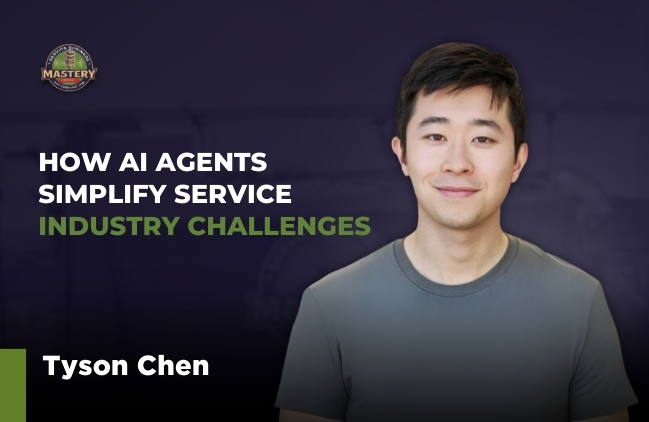
Tyson Chen, founder of Avoca AI, has focused on solving this. Avoca’s AI platform supports over 200 service companies by improving call handling and boosting booking rates. Tyson’s approach blends AI’s speed with human oversight to ensure better customer service.
In this article, we’ll learn how AI voice agents help service businesses improve operations, reduce costs, and enhance customer satisfaction. We’ll learn about features like instant call handling, follow-ups, and transparent communication. We’ll also see how combining AI with human support helps businesses stay efficient while keeping customers happy.
Our Sponsors:



Our Affiliates:




How AI Voice Agents for Service Businesses Improve Efficiency
AI-powered call center platforms are changing how service businesses handle customer interactions. These systems improve efficiency and help companies save money while delivering better service.
AI systems now manage tasks like answering calls, rescheduling, and booking appointments—jobs typically handled by customer service representatives (CSRs). They also follow up on leads and respond to inquiries, giving staff more time for high-priority tasks. This shift makes operations smoother and improves the overall customer experience.
Key Benefits of AI Platforms
- Instant Call Handling: AI answers calls right away, ensuring customers don’t wait and receive quick assistance.
- Comprehensive CSR Support: AI handles tasks such as responding to Google and Yelp leads, booking tune-ups, and following up on estimates.
- Cost Savings: Businesses can operate with fewer CSRs while maintaining service quality and lowering labor costs.
Legal Considerations for Outbound Calls
Businesses can use AI for outbound calls if customers consent to receive calls or texts. Many companies already get this consent when customers sign up for service reminders or mailing lists. Clear communication about terms helps avoid legal issues and keeps operations compliant.
Streamlining Staffing with AI Voice Agents for Service Businesses
AI handles up to 90% of routine customer interactions, allowing businesses to reduce their team size without losing productivity. For instance, a company that once needed ten CSRs may now need only two, with AI handling the rest.
Smaller teams can focus on complex tasks, such as handling unique customer requests or managing detailed concerns. Meanwhile, the AI ensures customers get quick responses for simpler needs like appointment scheduling or rescheduling.
With AI in place, businesses can improve efficiency and offer a more consistent experience without the need for large customer service teams.
How AI Voice Agents for Service Businesses Improve Customer Support
AI agents are transforming customer service by handling tasks typically managed by customer service representatives (CSRs). These agents help businesses run more efficiently, improve customer satisfaction, and reduce workloads for human teams.
Key Tasks AI Agents Handle
AI agents now take on a wide range of CSR duties, such as:
- Answering Calls: They manage both inbound and outbound calls to ensure quick and efficient responses.
- Responding to Leads: AI follows up on leads from platforms like Google, Yelp, and social media.
- Sending Texts: They send reminders, confirmations, and follow-ups through automated text messages.
Improving Customer Follow-Ups with Happy Calls
One valuable feature is “happy calls,” where the AI checks in with customers after service visits. A dashboard tracks the number of calls made, connections, and customer feedback.
The feedback includes Net Promoter Score (NPS) results, making it easy for businesses to monitor customer satisfaction and identify areas for improvement.
Custom Triggers for Follow-Up Calls with AI Voice Agents for Service Businesses
Businesses can choose when to schedule happy calls. The AI can trigger calls automatically based on completed jobs or through uploaded customer lists. This flexibility ensures customers with negative experiences don’t receive unnecessary calls.
The Role of Human CSRs in an AI-Supported System
AI handles most routine tasks, but human CSRs still play an important role:
- Handling Special Requests: CSRs manage calls involving promotions or customer-specific issues that need a personal touch.
- Complex Sales Calls: Sales representatives can step in when an estimate or negotiation requires human interaction.
- Monitoring Conversations: CSRs monitor the AI’s performance and join calls when the system flags customer concerns.
Voice Cloning for Personalized Service
AI agents can sound more familiar to customers by using the voice of a company’s top-performing CSR. Voice cloning ensures that customers hear a familiar tone and speaking style, creating a more relatable experience.
True Booking Rate vs. CRM Reports
Many companies believe their CRM data shows an accurate booking rate. However, AI systems often reveal that reported numbers can be off by 20-30%.
True booking rates measure booked calls as a percentage of all bookable calls. AI tools track this data accurately without the need for manual call reclassification.
Why Accurate Call Data Matters for AI Voice Agents for Service Businesses
Many businesses assume their booking rates are higher than they are. In reality, their true booking rate is often closer to 50% rather than the 80% reported in CRM dashboards.
Inaccurate data can lead to missed opportunities for growth and improvement. Auditing your calls helps you see how many bookable calls result in actual bookings.
Here’s a simple process:
- Review 50 recent calls.
- Note whether each call was booked or not.
- Compare your findings to your CRM’s reported booking rate.
This quick audit can reveal gaps in performance and highlight areas for improvement.
How AI Voice Agents for Service Businesses Improve Booking Data Accuracy
AI systems automatically classify calls based on customized criteria. This reduces human error and ensures consistent data.
You can define what qualifies as a “bookable call,” and the AI applies those rules across all calls. This provides more accurate insights without the need for manual corrections.
Improving CSR Performance with AI Coaching
AI coaching tools can analyze conversations to identify what works best. These tools highlight top-performing CSRs and show where others can improve.
By sharing best practices, the entire team can deliver more consistent and successful customer interactions.
The Power of Scripts for Preventing Missed Calls
Scripts help CSRs guide conversations smoothly and stay on track. AI agents can also follow scripts to maintain a consistent tone and message. Well-designed scripts don’t sound robotic—they help keep conversations clear and professional.
Missed calls can lead to lost revenue. AI answering systems ensure every call is answered, even after hours.
If a customer hangs up because they realize they’re speaking with an AI, the system can trigger an immediate follow-up from a human representative. This approach helps recover potential leads.
Why Transparency Builds Trust
Being honest about using an AI assistant builds trust. Letting customers know upfront that they’re speaking to an AI avoids confusion.
For example, saying, “Our team is busy, but I’m a virtual assistant that can help you,” keeps the conversation transparent and encourages engagement.
How AI Voice Agents for Service Businesses Compete and Improve Efficiency
The market for AI voice agents is growing fast, with new companies entering the space. This competition is good for businesses because it pushes providers to improve their services and create better solutions.
Competition makes AI voice agents more efficient and reliable. When AI voice systems first launched, some doubted customers would use them.
Many assumed people would hang up if they realized they were speaking with an AI. However, that belief has changed as businesses have proven that AI can handle customer calls well and improve service.
Types of AI Voice Platforms
There are two main types of AI voice platforms:
- Horizontal AI Platforms:
These platforms work across many industries and let users build their own bots. However, they often require regular maintenance and technical adjustments. Many business owners don’t have the time or skills to manage this. - Vertical AI Platforms:
These platforms are designed for specific industries like HVAC or logistics. They come with pre-built workflows and system integrations that match industry needs. This makes them easier to use and more effective for businesses.
Industry-specific solutions tend to perform better because they handle unique workflows, making them more helpful and dependable for daily tasks.
The Human-AI Hybrid Approach with AI Voice Agents for Service Businesses
A fully automated AI system may struggle with complex customer issues. A hybrid approach blends AI and human support.
In this model, the AI handles simple tasks, while human representatives manage more detailed requests or customers who prefer human interaction. This balance improves the customer experience and ensures nothing is missed.
AI Voice Agents in Other Industries
AI voice agents are becoming popular in other sectors, such as:
- Healthcare: Managing insurance claims and appointment reminders.
- Logistics: Tracking shipments and handling routine communication.
- Legal Services: Filing documents and managing case resolutions.
These specialized AI tools help businesses save time, improve accuracy, and cut costs by automating repetitive tasks.
Why Industry-Specific AI Solutions Win
AI platforms designed for specific industries often perform better because they understand the exact needs of businesses.
By combining voice calls, chat support, and customer service insights, they offer a complete solution. Their deep focus on industry-specific workflows makes them easier to adopt and more useful for long-term success.
Conclusion
AI Voice Agents for Service Businesses make handling customer interactions easier and more efficient. These tools handle routine tasks like answering calls, scheduling, and follow-ups, giving teams more time for important work. By using AI, businesses save time, reduce costs, and improve service quality.
AI voice agents also ensure accurate data, helping businesses track bookings and find ways to improve. Features like voice cloning make customer interactions feel more personal and relatable. Clear and honest communication about using AI builds trust and keeps customers informed.
While AI handles most routine tasks, human support remains essential for complex requests and personal interactions. A balanced approach that combines AI and human teams creates better results for both businesses and customers.
Across industries like healthcare and logistics, AI voice agents continue to show their value. By reducing workloads and improving efficiency, they help businesses grow while keeping customer service consistent.
FAQs
Can AI Voice Agents for Service Businesses handle multiple calls at the same time?
Yes, AI voice agents can handle many calls simultaneously, ensuring no customer is left waiting.
How do AI Voice Agents for Service Businesses handle customer privacy and data security?
These systems follow strict privacy rules and encrypt customer data to prevent unauthorized access or breaches.
What happens if an AI voice agent for service business cannot resolve an issue?
If the AI can’t handle a request, it quickly transfers the call to a human representative for support.
Can AI Voice Agents for Service Businesses integrate with existing customer management systems?
Yes, most AI platforms integrate with CRMs and scheduling software to streamline customer service workflows.
How do AI Voice Agents for Service Businesses improve customer satisfaction?
They reduce wait times, provide quick responses, and ensure follow-ups, improving overall customer experience.
Resources And People Mentioned:
Join the Service Business Mastery Facebook Group for more updates!
This Episode is Kindly Sponsored By:
- Sera (visit their website)
- UpFrog (visit their website)
- CallRail (visit their website)
- CompanyCam (visit their website) Visit CompanyCam and use code SBM for a free 2-week trial, 1:1 training and account setup, and 50% off your first two months!
- MarketStorm (visit their website)
- Lace (visit their website)
- priceguide (visit their website)
Affiliate Links:
- Castmagic (visit their website)
- StreamYard (visit their website)
- IfTTT- 10 Percent off! (visit their website)
- ZyraTalk (Visit their website)